Automa – Italy – Monitoraggio e telecontrollo reti oil, gas, water

Network Management

By Luis Castaño, Cathodic Protection and Networks Manager at Kromschröeder
Based on the presentation delivered at SMART GRID DAYS 2025, October 8–9, 2025.

In this article, we review the evolution of pressure regulation systems in gas distribution networks, with a focus on GOLEM-ZERO and its development towards dynamic regulation applications for biomethane injection.

Modulation and dynamic regulation

Before exploring the evolution of pressure regulation systems, it is useful to clarify two key concepts: modulation and dynamic adjustment.

In gas distribution networks, maintaining stable pressure and flow rate is essential to ensure safety and continuity of supply. To achieve this, operators rely on systems capable of continuously monitoring network conditions and taking corrective action whenever operating parameters deviate from their target values.

In this context, it is important to distinguish between modulation and dynamic adjustment.

Modulation allows pressure or flow rate to be adjusted in order to achieve and maintain predefined target values. This is the application for which GOLEM-ZERO was initially developed, supporting pressure adjustment and flow limitation.

Dynamic adjustment represents the next step in this approach. In addition to acting on the system, it continuously analyzes operating conditions and automatically adapts its behavior in real time to maintain process stability.

This evolution is particularly significant for biomethane injection, where variations in pressure and flow rate can compromise production continuity and may even lead to interruptions in the injection process.

Evolution of pressure regulation systems

LThe evolution of support systems for pressure regulation can be divided into four main stages:

  • 1960s–1970s: Electromechanical systems enabled pressure modulation through hardwired connections. These solutions were reliable but limited to geographically confined installations.
  • 1980s: The adoption of telephone lines led to the development of pneumatic systems and time-based pressure variation systems. These offered a wider reach but were sensitive to environmental conditions.
  • 1990s and early 2000s: Mobile telecommunications were integrated, removing geographical limitations. However, these solutions were characterized by relatively high energy consumption.

Today: Electromechanical systems such as GOLEM combine mobile and satellite communications. These solutions significantly reduce energy consumption while enabling seamless integration with equipment from different manufacturers.
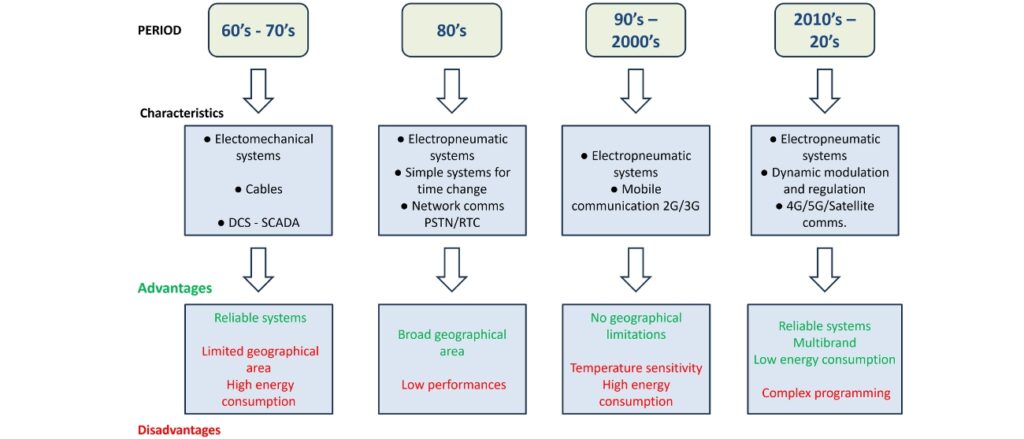
GOLEM ZERO Evolution of pressure regulation systems

Pressure and flow modulation functions

Pressure modulation has three main functions:

  • Reaching and maintaining a target pressure
  • Flow rate limitation
  • Adjusting pressure during specific daily time slots
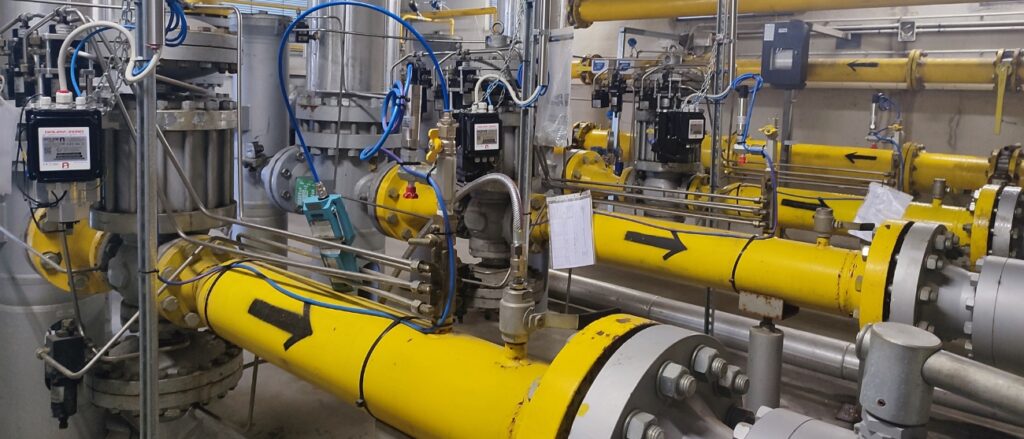
GOLEM ZERO Funzionalità della modulazione della pressione e della portata Automa

Pressure modulation

The graph below shows pressure modulation when a certain value is achieved and maintained, and plots the network pressure over time.

When the actual pressure deviates from the target value, the system intervenes with gradual adjustments. After each movement, it analyzes the resulting effect and decides whether to continue, reverse the direction, or stop. The objective is to bring the pressure back within a defined tolerance range.

If the pressure value maintenance function is active, the system will not take any action until the value falls outside the range known as the “dead band”, avoiding unnecessary adjustments and reducing equipment wear.
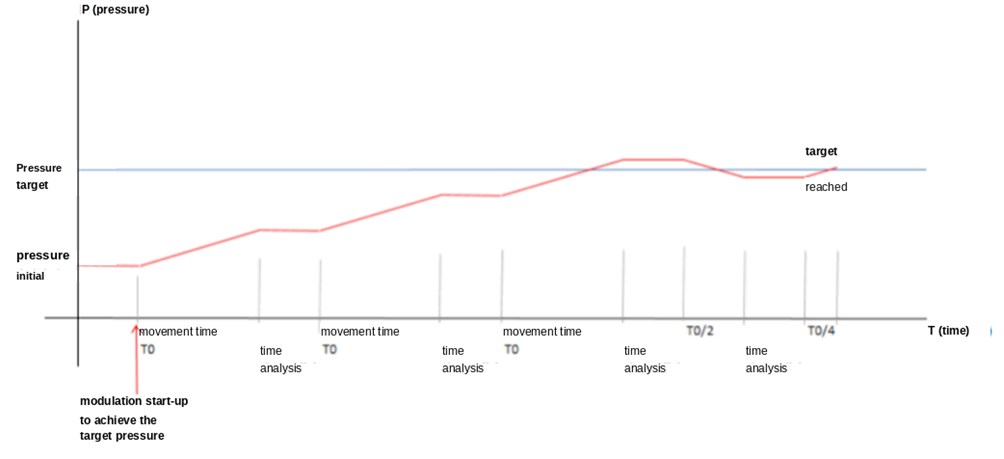
image

Flow rate limitation

In the graph below, we can see the values for the limited flow rate and the dead band.

Flow rate limitation prevents the flow from exceeding a preset maximum value. When the flow rate approaches the limit threshold, the system intervenes on the flow path and initiates an analysis phase. If the upward trend continues, the system proceeds with further corrections until the flow rate is brought back out of the critical zone.
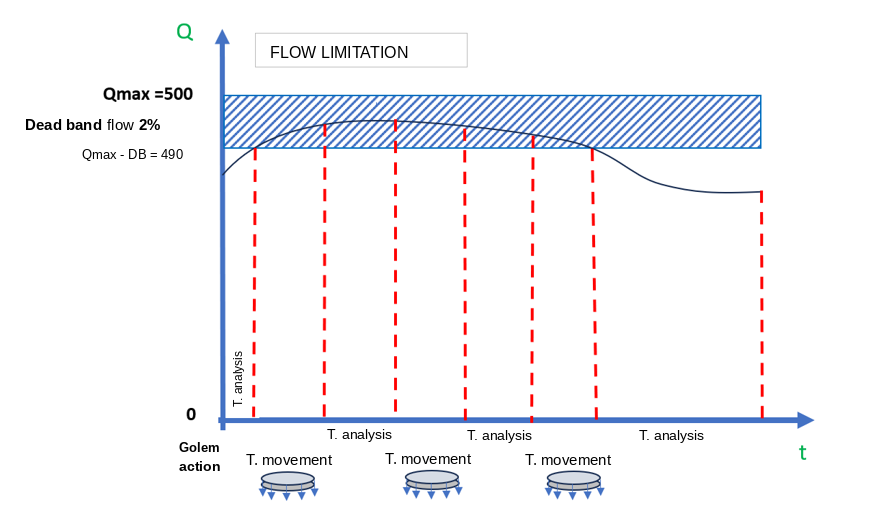
5luis EN

Weekly pressure profile

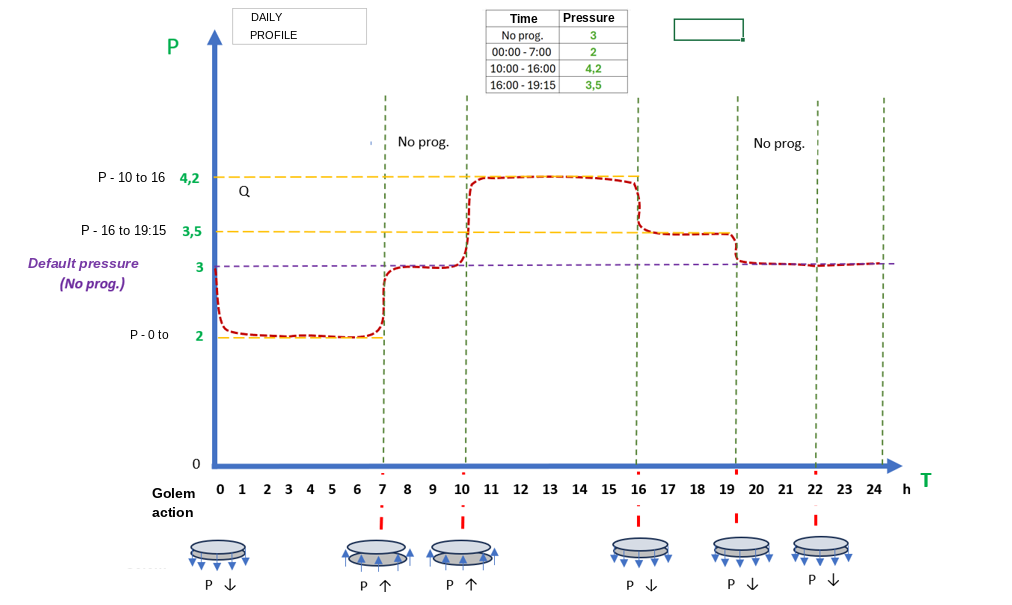
The final pressure modulation feature is the weekly pressure profile, which allows you to define up to three daily periods with a set pressure, in addition to a default pressure for unscheduled hours.

In this way, the system can automatically adjust the pressure value to the various operating conditions expected throughout the week.
6luis EN

Proposal for dynamic regulation

The modulation algorithms developed for gas distribution networks find a new application in biomethane injection. In this scenario, variations in pressure and flow rate can directly affect process continuity, making more dynamic control of operating conditions necessary.

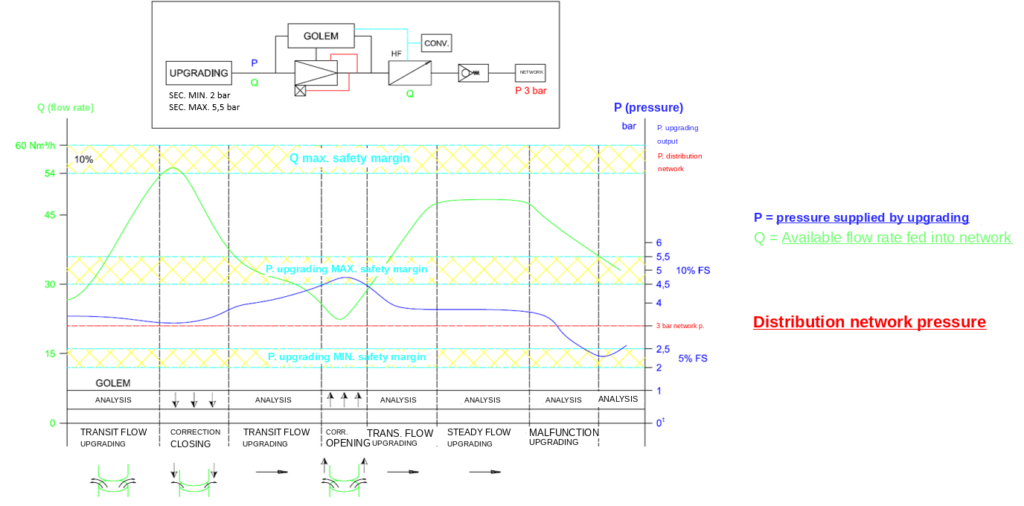
During Smart Grid Days 2019, we proposed applying the GOLEM system to biomethane injection into the grid. That year, we witnessed the launch of Spain’s first biomethane injection system and observed the challenges associated with injecting small flow rates into large networks. At the time, we presented the graph below, which shows the flow rate and pressure variables, as well as the points or ranges of extreme conditions that the dynamic adjustment system must avoid.

This highlights the need for dynamic adjustment capable of monitoring pressure and flow rate and preventing extreme conditions that could compromise the continuity of injection.
7luis EN

Dynamic regulation functions for biomethane injection

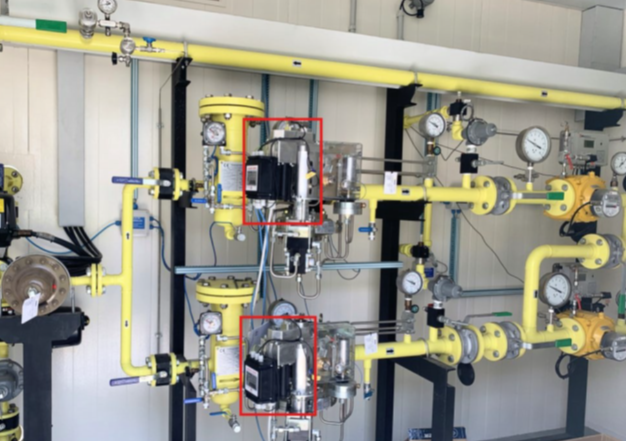
Since then, the GOLEM-ZERO system for biomethane injection has evolved to incorporate three dynamic regulation functions:

•    limiting the maximum flow rate and increasing the flow rate when it falls below minimum values

•    reducing the flow in response to a decrease in biomethane inlet pressure

•    increasing the set point in response to a rise in network pressure.
8luis


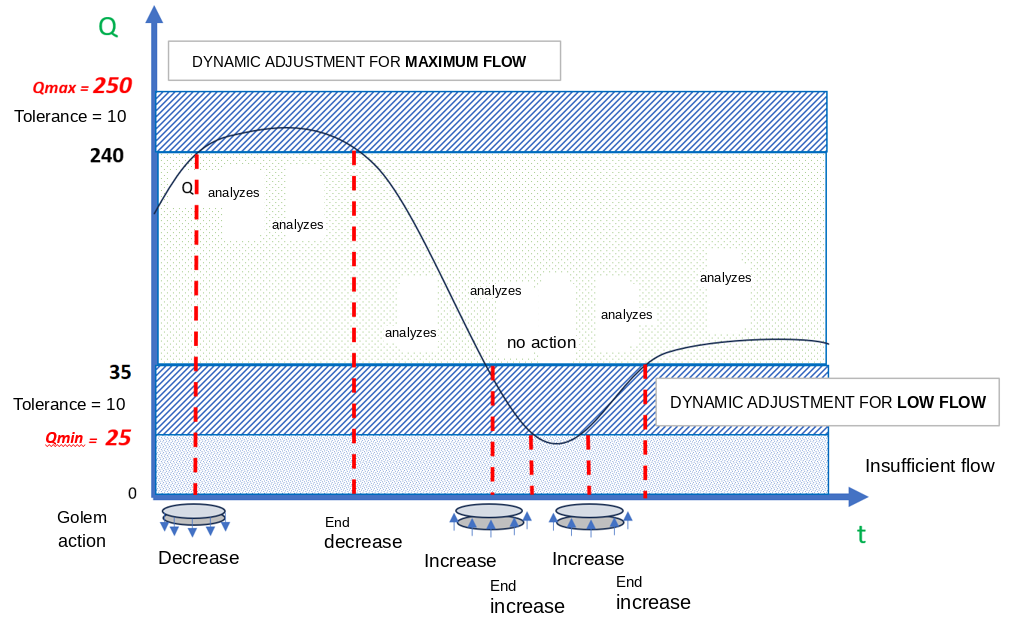
This flow rate graph shows the maximum recorded flow rate minus the tolerance.

GOLEM-ZERO continuously monitors the injection flow rate and intervenes when it approaches the defined limits. When the flow rate approaches the maximum allowed threshold, the system gradually reduces the flow cross-section to prevent that limit from being exceeded. Similarly, when the flow rate approaches the minimum operating level, the system attempts to increase the flow rate to restore normal operating conditions.

If, on the other hand, the flow rate falls below the minimum threshold, the system stops intervening and remains in analysis mode until conditions allow for a stable restoration of operation.
9luis EN

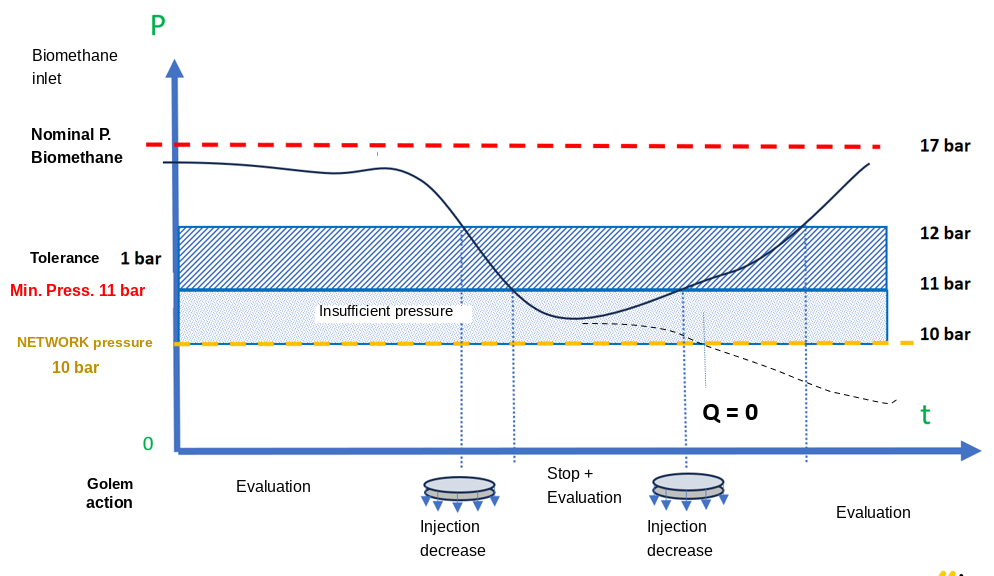
The same logic is applied to the biomethane inlet pressure, with the aim of preventing conditions that could reduce or interrupt injection into the grid.

If the inlet pressure approaches the minimum limit, the system reduces the injection rate to facilitate pressure recovery. If the downward trend continues and the pressure enters an insufficient range, the system suspends operations and remains in analysis mode.

If the pressure recovers, the system continues to modulate injection to restore the process to stable conditions. If, on the other hand, the pressure continues to decrease until it approaches the grid pressure, injection may stop and the flow rate may drop to zero.
10luis EN

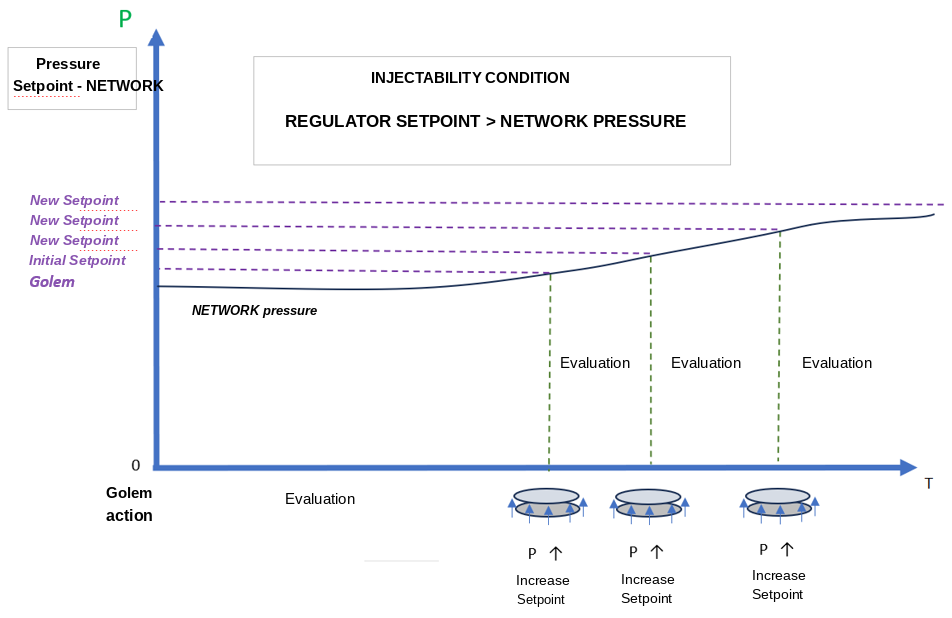
The final function integrated into GOLEM-ZERO involves increasing the set point in the event of a rise in network pressure. When network pressure rises, the system can gradually increase the set point to keep the injection active and prevent process interruptions.

The increase continues as long as the physical conditions of the plant allow it.
11luis EN

For more detailed information, you can also download the full white paper.

Would you like to learn more about GOLEM’s capabilities and applications?

Contact us with no obligation.
By Lorenzo Maggioni.
From the speech at SMART GRID DAYS 2025 (8-9 October 2025), organised by Automa.

The European context: energy security and the acceleration of biomethane

In recent years, biomethane has assumed an increasingly central role in European energy strategies. Rising gas prices, also triggered by geopolitical tensions between Russia and Ukraine, have highlighted the need to diversify sources and reduce dependence on imports.

Within this framework, the REPowerEU plan has set an ambitious goal: to increase biomethane production to around 35 billion m³/year by 2030. Italy, through its own NECP, aims to achieve 5.7 billion m³/year by 2030, focusing primarily on the conversion of existing biogas plants and the development of new plants.

Produzione combinata biogas biometano e numero impianti in Europa

Figure 1 – Combined biogas and biomethane production and number of plants in Europe (Source: EBA Statistical Report 2024).

Biogas and biomethane in Europe: plant trends and prospects

The European system starts from a plant base historically oriented towards electricity production from biogas. For many years, anaerobic digestion has been driven by incentive schemes linked to electricity generation, with Germany and Italy as the reference markets in terms of the number of plants and the maturity of the supply chain.

Today the trend is different: while the number of new biogas plants for electricity generation tends to stabilise, the number of plants (new or converted) intended for the production of biomethane through upgrading is constantly growing. The expected trajectory in the coming years is therefore a progressive shift in production from biogas ‘power’ to biogas ‘gas’ (biomethane), with increasing integration into networks and end markets.

Biomass and feedstock: evolution of input matrices

The composition of biomass used for anaerobic digestion is a key indicator of the evolution of the sector. In Europe, the predominant share comes from agricultural resources, a category that includes both dedicated crops and, increasingly, livestock effluents and agricultural and agro-industrial by-products.

Historically, especially in the early years of its development, anaerobic digestion in agriculture has relied significantly on energy crops (e.g. corn silage), sometimes in monoculture or double cropping regimes. With the progressive refinement of sustainability criteria and the evolution of policies, the sector has reduced the incidence of dedicated crops, increasing the use of wastewater and by-products, with benefits both environmental and territorial acceptability.

In electric biogas, in addition to agricultural sources, landfill gas plays a significant role. In biomethane, however, the role of landfills is limited (due to the greater complexity of purification), while OFMSW (Organic Fraction of Municipal Solid Waste) assumes increasing importance. In Italy, there are industrial-scale plants powered by OFMSW, with production in the order of thousands of m³/h.

produzione europea biogas biometano per tipologia impianto

Figure 2 – Distribution of European biogas and biomethane production by type of plant (Source: EBA Statistical Report 2024).

The Role of Incentives: Why the Market Grows in Spurts

As was the case with biogas electricity in the initial phase, the development of biomethane is also strongly correlated with the presence of support mechanisms. Historical data show that production growth has occurred most rapidly in countries that have established stable and bankable incentive schemes.

Germany was the first to launch a structured biomethane industrial supply chain; Denmark, the United Kingdom, and France subsequently achieved significant growth thanks to dedicated national policies. At this stage, Italy is contributing increasingly, especially as a result of the Ministerial Decree of 15 September 2022, which has activated a large portfolio of projects in the ranking.

Crescita produzione biometano in Europa

Figure 3 – Growth in biomethane production in Europe by country (Source: S&P study, as reported in the presentation).

Goals for 2030: NECP, production gap and new decrees

To outline medium- to long-term trajectories, it is useful to refer to the national NECPs, which set targets for 2030 in terms of biogas and/or biomethane production. In the Italian case, the target is 5.7 billion m³/year.

The Ministerial Decree of 2 March 2018 supported the production of biomethane for transport (advanced biofuel), bringing production to values close to 800 million m³/year. With the Ministerial Decree of 15 September 2022 (‘Ter’ biomethane), the total quota is 257 thousand Sm³/h, approximately 2.1 billion m³/year, allocated through five competitive procedures.

Based on the progress made in obtaining authorisations and implementing the projects, it is realistic to expect full-scale production in the order of 1.6-1.8 billion m³/year for this decree. This results in a gap with respect to the NECP target, which makes the introduction of a further measure (often referred to as ‘Quater biomethane’) plausible to support growth in the second part of the decade.

Target biometano PNIEC europei potenziali di produzione 2030

Figure 4 – Biomethane targets in European NECPs and production potentials by 2030 (Source: presentation table, based on NECP data).

Access to gas networks: European principles and operational challenges

Injecting biomethane into the grid is a key step in scaling up the sector, but it requires clear rules and efficient procedures. The new European framework for decarbonised gas markets (Directive (EU) 2024/1788 and Regulation (EU) 2024/1789) strengthens the principles of non-discriminatory and transparent access to infrastructure.

In practice, network operators are required to manage connection requests according to defined and public technical and economic criteria. Any denials or limitations must typically be motivated by infrastructure safety constraints or economic efficiency considerations, within a perimeter subject to the oversight of the National Regulatory Authority (NRA), which can intervene in the event of disputes.

However, an element of fragmentation remains: gas quality requirements for injection are not yet fully harmonised at European level. Differences between countries in parameters such as oxygen, CO2, sulphur, or odorisation impact upgrading design, costs, and, in some cases, the replicability of standard solutions.

Processo connessione alla rete progetti biometano fasi e principi

Figure 5 – Network connection process for biomethane projects: phases and principles (Source: EBA, 2024).

Gas quality: variability of national limits

The following tables highlight the differences between national gas quality specifications in different European countries. For the operator, these deviations translate into different design requirements (e.g. on oxygen control and sulphur compounds management), with impacts on CAPEX, OPEX and operational reliability.

Esempi requisiti di qualità immissione in rete Paesi europei

Figure 6 – Examples of quality requirements for network injection in some European countries (Source: Marcogaz, 2023).

The Italian case: installed base, transition and regulatory pillars

Italy is Europe’s second-largest biogas market, with approximately 2,000 electric plants and an installed capacity of around 1,350 MW. At the same time, approximately 150 biomethane plants are operational, with a production of close to 800 million m³/year (MD 2018 scope).

A strategic issue is linked to the life cycle of historical incentives: over 1,100 electrical systems built with particularly favourable tariffs (e.g., 0.28 EUR/kWh, with a 15-year duration and entry into production between 2009 and 2012) will reach the end of their incentive period in 2027. Without transition tools, a significant portion of plants risks exiting the market.

In this context, the legislator has chosen to orient the supply chain towards the production of biomethane, introducing two key decrees (MD 2/3/2018 and MD 15/9/2022) and completing them with further provisions and technical standards. In particular, today the sector is based on three pillars: Ministerial Decree 09/15/2022 (incentives), MD 224/2023 (Guarantees of Origin) and Legislative Decree 63/2024 (contractual instruments and integration with industrial demand).

pilastri normativi biometano in Italia incentivi GO strumenti contrattuali

Figure 7 – The three regulatory pillars of biomethane in Italy: incentives, GOs and contractual instruments.

Ministerial Decree 15/09/2022: incentives, competitive procedures and NRRP

The Ministerial Decree of 09/15/2022 provides for two incentive methods: an all-inclusive tariff and a premium tariff, depending on the sale/collection configuration. Access is via competitive procedures (auctions), and the total allocable quota is equal to 257 thousand Sm³/h, equivalent to approximately 2.1 billion m³/year.

A highly attractive element is the NRRP’s capital incentive, up to 40% of the investment cost within the established ceilings. Furthermore, the decree extends the intended use of biomethane to applications other than transportation, opening up the industrial market in a more structured way.

In competitive procedures 3-5, the reference tariff is 124.48 EUR/MWh (value indicated by the decree and the application procedures). The result is a portfolio of 554 ranked projects, which has employed approximately 90% of the available quota.

Sintesi progetti graduatoria numerosità capacità tipologie distribuzione territoriale

Figure 8 – Summary of projects in the ranking (MD 09/15/2022): number, capacity, types and territorial distribution.

GO and industrial demand: MD 224/2023 and LD 63/2024, art. 5-bis

Ministerial Decree 224/2023 regulates the issuance of Guarantees of Origin (GO) for biomethane. The GO is an electronic certificate that attests to the renewable origin of production: in the absence of a GO, the gas fed into the network is indistinguishable — in terms of “claims” — from fossil gas.

The LD 63/2024 (known as the ‘Agriculture Decree’), in Article 5-bis, introduces the possibility of bilateral agreements between agricultural biomethane producers and hard-to-abate industries. In this configuration, GO can be transferred to the final consumer, with potential applications within the ETS scope as a tool for decarbonisation and, in fact, industrial competitiveness. In practice, part of the economic benefit can be shared along the supply chain, contributing to the bankability of the projects.

UNI technical standards: gas quality and sustainability criteria

On a technical level, UNI/TS 11537:2024 defines requirements and verification methods for the quality of biomethane intended for injection into the network. UNI/TS 11567:2024, on the other hand, details the criteria and methods for calculating sustainability, with particular attention to the reduction of climate-altering emissions (GHG) along the entire supply chain.

To qualify for incentives, biomethane must demonstrate a reduction in emissions compared to benchmarks: for transport, the benchmark is 94 gCO₂eq/MJ with a minimum reduction of 65%; for other end uses, the benchmark is 80 gCO₂eq/MJ with a minimum reduction of 80%.

Confronto specifiche nazionali qualità gas in Europa

Figure 9 – Comparison of national gas quality specifications in Europe (Source: Marcogaz, 2023).

Conclusions: an accelerating supply chain

The European regulatory framework (RED III and Gas Package) and the evolution of national instruments are making the growth context for biogas and biomethane more defined. In Italy, the large base of biogas power plants provides a unique opportunity to accelerate the conversion to biomethane and contribute substantially to the NECP and European targets.

The combination of incentives (MD 15/09/2022), traceability and valorisation tools (GO), and new contractual models with industrial demand opens up concrete development prospects. This is accompanied by economic and employment effects, with an expected increase in green jobs along the entire value chain: plants, agricultural supply chains, services, engineering, and the technology industry.

Evoluzione decreti target 2030

Figure 10 – Evolution of decrees and targets for 2030 (source: summary slide from presentation).

Written by Tommaso Russo, Product Manager Area of the AUTOMA Sales Division
From the intervention “A solution for the quantification and reduction of methane emissions”
SMART GRID DAYS 2025, 8 – 9 October 2025.

Monitoring and reducing emissions efficiently are an urgent necessity, not only from an environmental perspective but also from a regulatory one.

Regulation (EU) 2024/1787 marked a turning point for the energy sector. For the first time, the reduction of methane emissions becomes a structured obligation, with precise deadlines and requirements that affect the entire gas supply chain: transport, distribution, storage and regasification.

The regulatory framework, however, is developing in a complex context. The deadlines are tight, the requirements are increasing, and not all of the technical tools supporting the Regulation are fully available yet. Operators are thus faced with having to make operational and investment decisions in an evolving scenario, where regulatory uncertainty is compounded by the practical difficulties of effectively measuring, quantifying and reducing emissions.

It is precisely in this context that a key need emerges: to have solutions that allow us to move from theoretical estimates and sporadic campaigns to continuous and reliable control that can also be used for future compliance purposes.


From detection to emissions management: the limitations of traditional approaches

Today, the search for methane leaks is based mainly on LDAR campaigns carried out with OGI cameras and portable FID detectors. Fundamental tools, but which have structural limitations.

Firstly, the frequency of inspections is limited: the LDAR (Leak Detection and Repair) programme is carried out every three or even six months, and leaks could occur during these intervals. 

Another important limitation is human bias: the operator could make mistakes when detecting leaks or may not detect them all. Last but not least, the accessibility of components can also represent a problem: often stations have rather complex configurations and, therefore, components with high leakage rates may not be detected.

Even the quantification of emissions, often based on generic emission factors and inventories that are not always updated, returns an approximate picture, which tends to underestimate actual leaks. This approach may be less and less adequate in the light of new regulatory requirements, which require more representative and verifiable data.

In terms of reduction, available solutions often impose operational compromises: replacement of components with impacts on service continuity, reduction of operating pressure with the risk of not meeting network demand, or difficult or impossible interventions on inaccessible leaks. In the absence of zero-loss components, it becomes apparent that the problem cannot be addressed with a single approach.


MethanEye: monitor and quantify to make better decisions

MethanEye was created with a specific objective: to provide operators with a reliable tool for the continuous monitoring and quantification of methane emissions, transforming a regulatory obligation into an opportunity for control and optimisation.

The device integrates a CH₄ sensor capable of detecting concentrations in ppm and converting them into emissions expressed in kg/year, as required by regulatory requirements. Thanks to its compact design and installation in ATEX zone 0(methane and hydrogen), MethanEye can be placed directly near the source, intercepting even hard-to-reach leaks.

The flexible power supply — from the network, solar panel or battery — allows installations even in remote locations, ensuring almost continuous monitoring (sampling every 30 seconds) or configurable according to operational requirements and the required duration. The result is a constant flow of data, which reduces uncertainty and supports decisions based on real evidence, not on estimates.

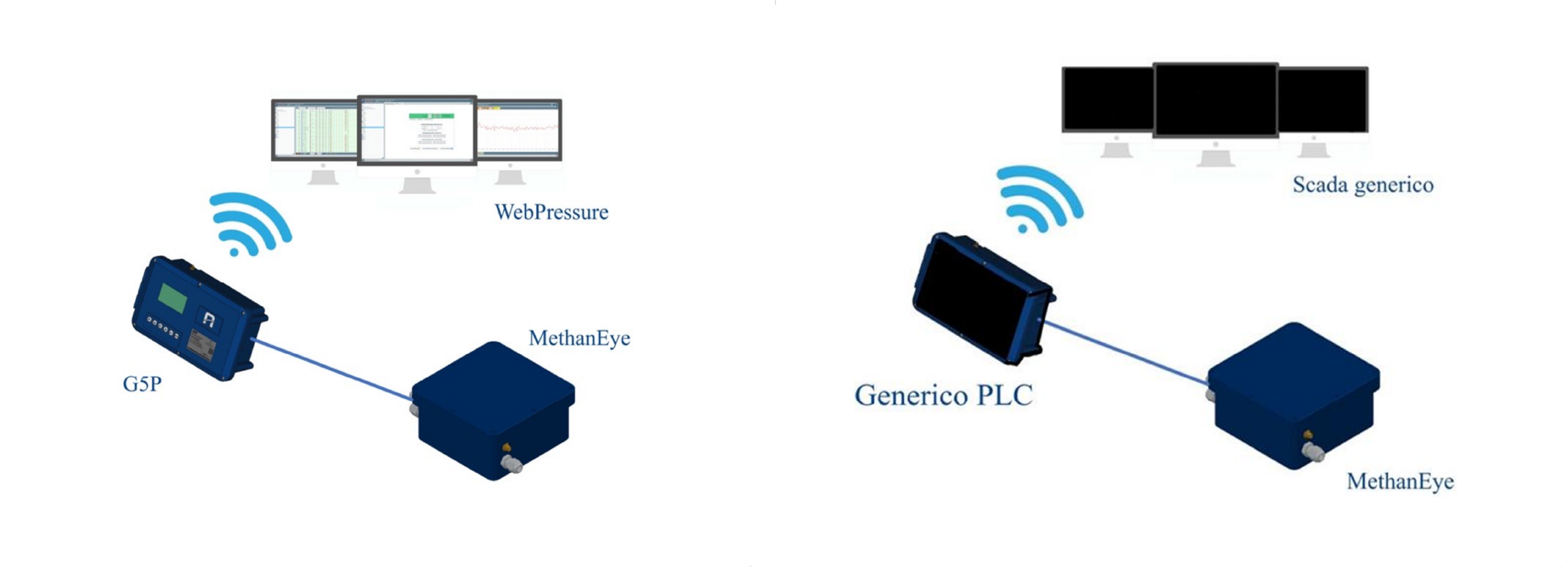
MethanEye can easily integrate with existing PLC, G5P Automa and SCADA systems, or operate in stand-alone mode thanks to the integrated modem. This flexibility makes it suitable both for new installations and for the adaptation of existing systems.

Una soluzione per la quantificazione e la riduzione delle emissioni di metano methaneye
Una soluzione per la quantificazione e la riduzione delle emissioni di metano methaneye (1)

Reducing emissions without compromising the network: GOLEM-ZERO

Measuring and quantifying is essential, but not enough. The reduction of emissions also involves a more intelligent management of operating conditions. GOLEM-ZERO was created precisely to meet this need.

It is a smart regulator capable of dynamically regulating network pressure based on real demand conditions, avoiding overpressure phenomena that contribute to increased leaks. Installable in Plug&Play mode, without the need to interrupt the service; the system is applicable to any regulator model and can be easily integrated into existing NTS offtakes and district governors thanks to custom-designed adapters. In addition, GOLEM-ZERO operates thanks to an integrated intelligence system, reducing the need for manual interventions.


Reducing overpressures without compromising service

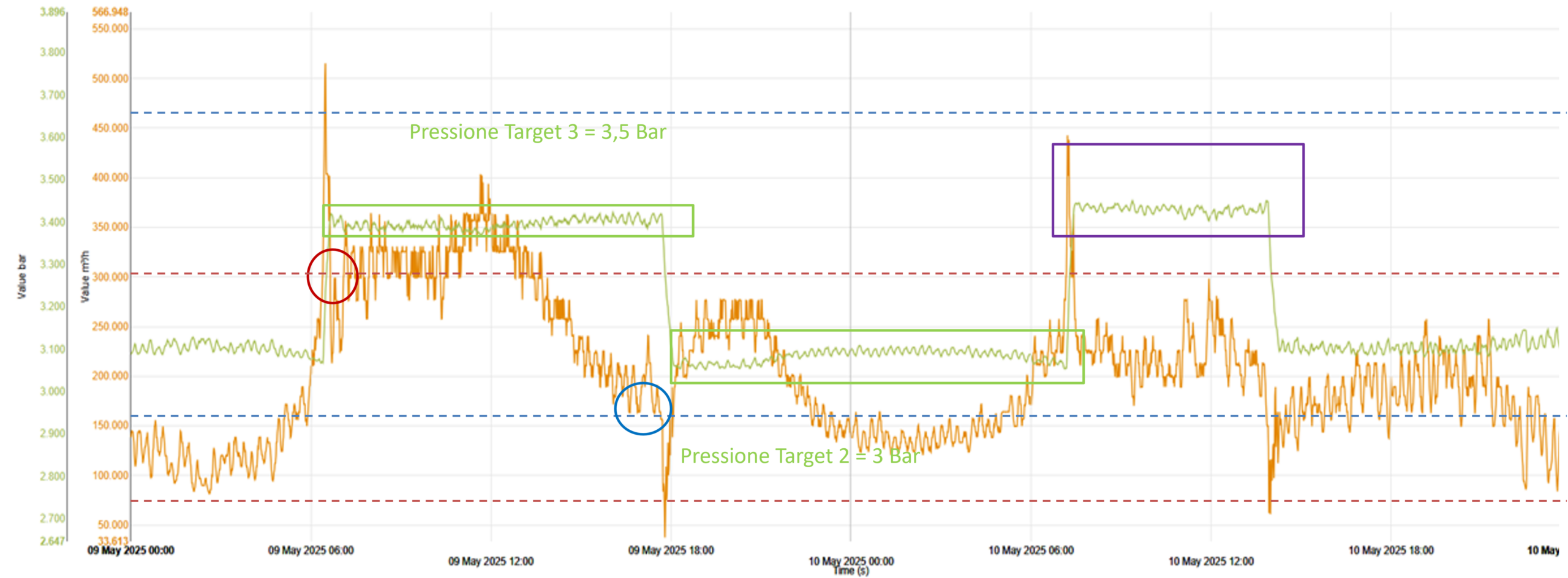
The operating principle of GOLEM-ZERO is based on a flow rate band adjustment. The system divides the network’s operating range into different operating bands, each of which is associated with an optimised target pressure based on demand.

The bands are designed to partially overlap, so as to avoid continuous pressure fluctuations as the flow rate varies. The target pressure is changed only when the flow rate leaves the operating reference band, ensuring operational stability and continuity of service.

Una soluzione per la quantificazione e la riduzione delle emissioni di metano golem zero


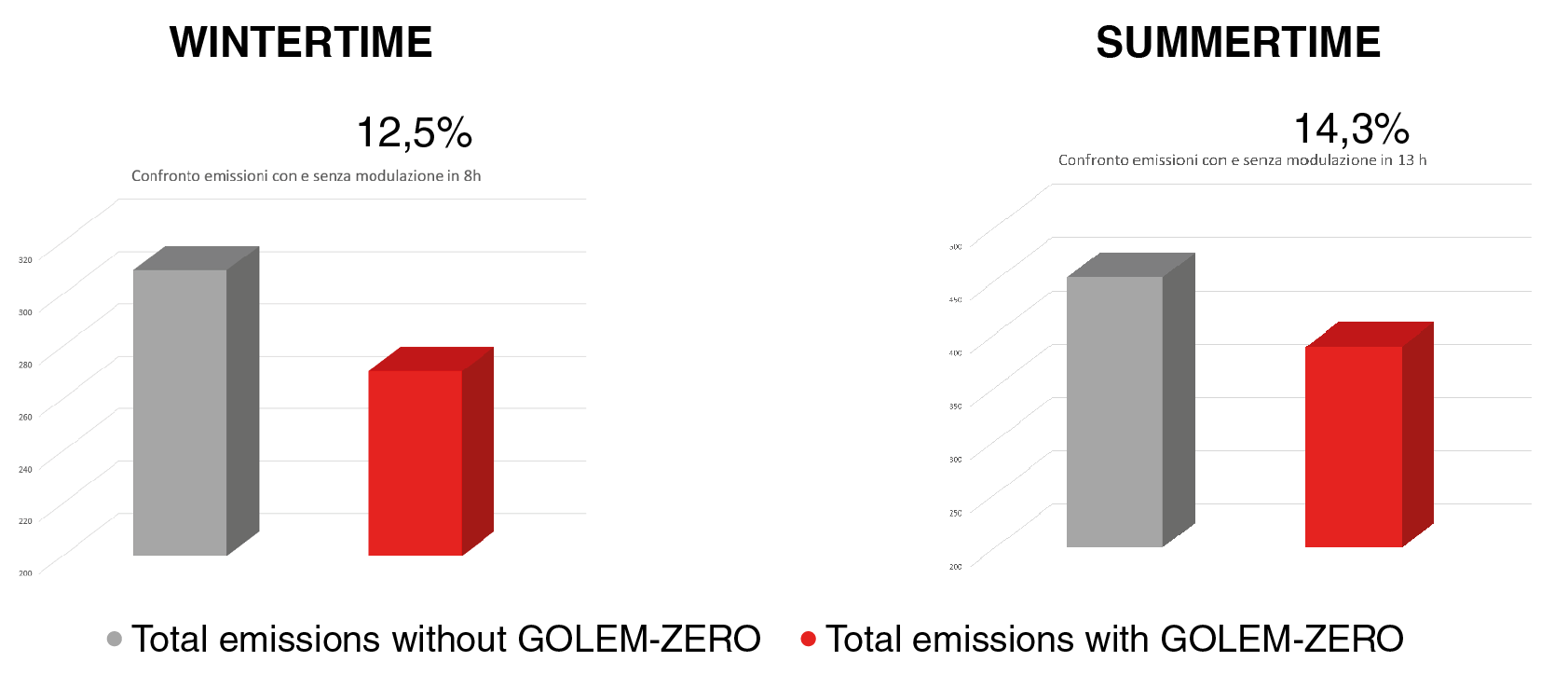
This logic allows GOLEM-ZERO to automatically adapt to different operating conditions — daily, weekly and seasonal — avoiding unnecessary overpressure phenomena. The benefits are also reflected in environmental terms: studies based on models developed by GERG (European Gas Research Group) show reductions in emissions of up to 12.5% in winter and up to 14.5% in summer.

A concrete answer to a real problem

The synergy between MethanEye and GOLEM-ZERO represents a concrete response to the challenges posed by EU Regulation 2024/1787. Not only does it enable methane emissions to be monitored, quantified and reduced, but it also provides operators with a tool to deal with an evolving regulatory environment with greater awareness, reducing operational risk and supporting future compliance.

  For more information, download the White Paper   I want information


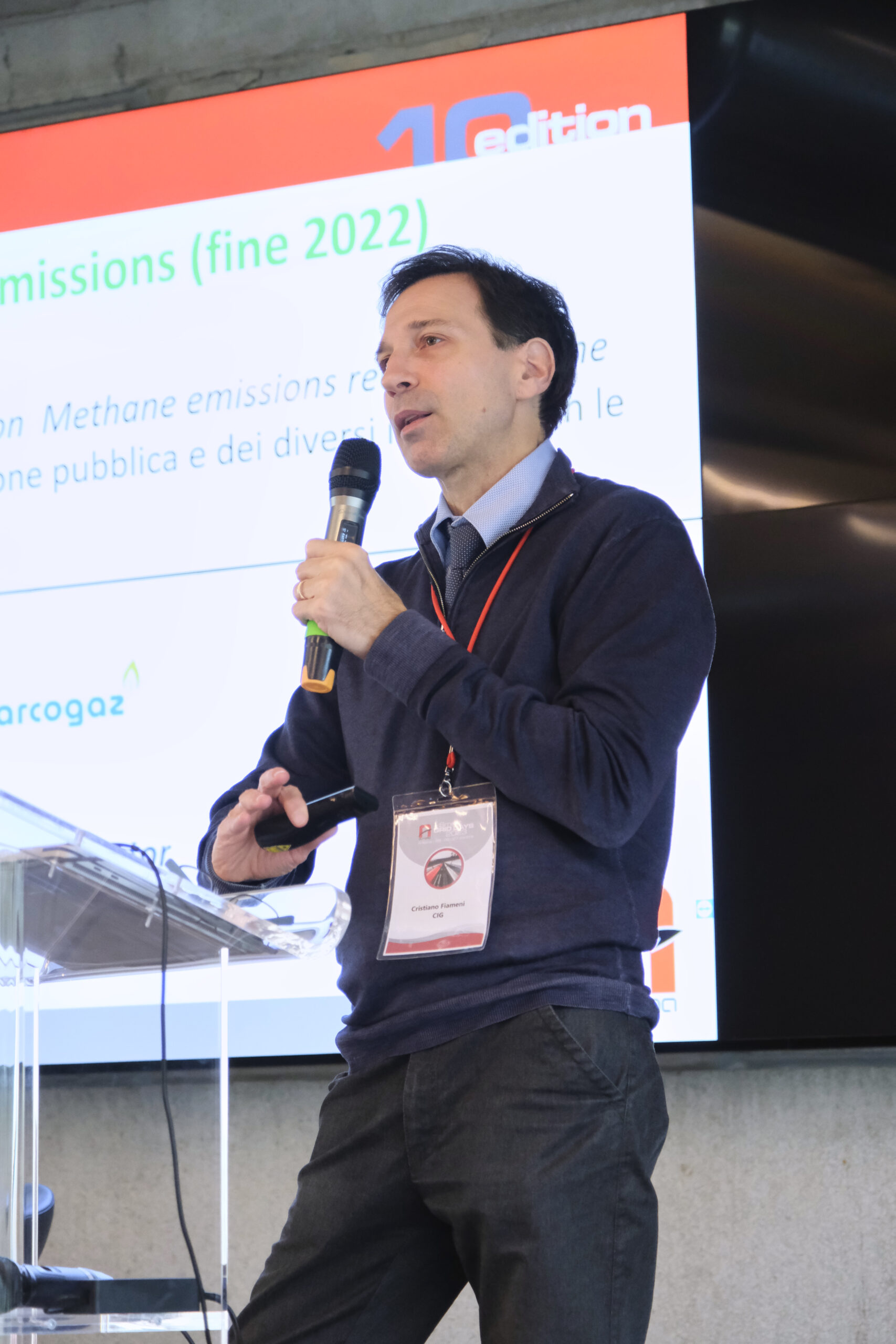
By Cristiano Fiameni, Technical Director of the Italian Gas Committee
From the speech ‘Methane emissions: the evolution of legislation’
SMART GRID DAYS 2025, 8 – 9 October 2025.

Methane emissions is a topic we cannot avoid addressing, since EU Regulation 2024/1787 on the reduction of methane emissions in the energy sector has been published. We will therefore see the guidelines along which the activity has developed during 2025 and the prospects we can glimpse in the application phase of this Regulation, which is particularly complex.

The operational challenges of the Methane Emissions Regulation

The Regulation was published in July 2024 and came into force on 4 August of the same year. It is important to emphasise this date, because a series of important deadlines originated from that moment.

This measure is particularity invasive. Indeed, it not only sets the objectives but  also maps out the path, leaving little room for the technical sector and causing difficulties from an operational point of view, as it has strong limitations on the modalities that inevitably clash with the practical needs of operators.

As already mentioned, the main objective of the introduction of the Regulation is to reduce emissions; to this end, they must be researched, found, quantified, verified and repaired. This applies to the entire gas chain: transport, distribution, storage and regasification.

On the one hand, covering the entire supply chain is positive. But on the other hand, as the latter is very diverse, the tools to be used should be adapted to each portion of the supply chain. In reality, however, the regulation is one-size-fits-all, and provides a single way of operating regardless of whether one has to work on a regasification plant or on an urban network spread over a city of millions of inhabitants. The requirements and methods of intervention are therefore the same, and this is the crux of the matter from which the critical issues in the application of Regulation 2024/1787 arise.

The fulfilments of the Regulation

Since the entry into force of the Methane Emissions measure, there are several obligations: some are the responsibility of the Member States, while others are the responsibility of the operators or the Commission.

With regard to Member States, several European countries have not yet completed the process of appointing the competent authority. Italy, on the other hand, has already submitted a draft law and made available official e-mails from the MASE (Ministry of the Environment and Energy Security) to which operators can refer for communications.

As mentioned, the operators involved also have certain obligations: in August 2025, for example, they had to submit the first leakage research report (LDAR) on the previous year, and they also had to quantify emissions, using generic emission factors. This meant that even more precise assessments could be made, but the minimum required was the use of literature values of emission factors applied to one’s assets.

The Ministry reported that most operators were able to fulfil this obligation. There will be problems in the coming months, however, because from February 2026 operators will have to submit another report using emission factors specific to their asset. This requires operators to perform an important activity of evaluating their assets, and how to relate this data to factors that have a realistic place in their system. This is not easy so there will be difficulties.

In 2027, however, operators will have to submit a report quantifying emissions from one’s assets and verifying the measures taken on the ground against the results in the atmosphere, i.e., reconciliation. This is a rather ambitious challenge for the sector, given that the Regulation presented the requirements without all the necessary tools being available yet.

The supporting technical standards

Another issue to be taken into account is the instruments, i.e. the technical standards supporting the measure. Indeed, the Regulation not only stipulates that there must be technical standards to support this activity, but also provides that these standards can be recognised by the European Commission as implementing instruments. The body that draws up the standards is the CEN (European Committee for Standardisation), in which several European countries, including Italy, participate.

However, there are critical aspects to this path. The first aspect is that a specific request from the Commission (standardisation request) is needed to draw up standards. This request was submitted in 2024 and it took some time to reach a conclusion. The latest news tells us that the technical phase of discussions between the Commission and CEN has been concluded, and that the contract will be signed shortly. Since the contract provides three years to draft the standards, we could have them by the end of 2028. Therefore, we are faced with an asymmetry: the stricter requirements apply from 2027 onwards, while the standards will perhaps come into force at the beginning of 2028. This represents the first problem.

The second problem is that the Regulation has taken on the honours and burdens of precisely determining technical requirements as well, and this has become an obstacle. Indeed, the Regulation requires the Commission to publish a delegated act specifying the MDLs (Minimum Detection Limits) for technologies and providing guidance on the limits for pre-localisation. The point is that these values have not yet been defined.

An initial stakeholder consultation document came out in 2025, which was supposed to be the basis for producing a subsequent one. The deadline was 5 August 2025, but it was not met. Therefore, we are faced with a doublecritical issue: the first is related to technical standards that are not available due to delays in the Commission’s issuing of the required documents; the second concerns the practical aspect related to operators. The latter, indeed, have obligations that they cannot postpone, and in order to fulfil these obligations they must carry out activities in the field that require investments in technology and equipment.

It must therefore be considered that there are also investments made ‘in the dark’, hoping that industrial best practices will be considered in this delegated act and that consequently these investments will be recognised as valid. Unfortunately, it is a time of great uncertainty.

The work carried out so far and the next steps expected

What have we done in the meantime? The CIG, through the experts made available by its members, participated in the activities and contributed by bringing the Italian position to the European tables.

At European level, it is worth noting the contribution of Marcogaz, the international non-profit association representing the European gas industry, which has produced guidelines for the application of the Regulation. These guidelines provide guidance on the main aspects and introduce two useful elements for operators. Firstly, they provide illustrative diagrams of the process to be followed in accordance with the Regulation. In addition, they include a chapter on the cost-benefit analysis of the activity carried out: the repair of the leak must not cause more environmental damage than the leak itself.

This initial document provides some general guidelines that allow us to assume that this concept will be included in the standardisation request that the Commission will submit to CEN. If this is the case, CEN will be able to develop a chapter dedicated to guidance for operators on cases where the effort is not worthwhile. Especially for those working in the distribution sector, having such indications is very important because the numbers involved are really significant.

Marcogaz in 2024 published guidelines on the Venting & Flaring part and commented in detail on the first consultation paper on the limits proposed by the Commission, which were considered unrealistic for some applications. Indeed, there are both established and modern technologies, but it must be ensured that there is no one way to operate: a neutral approach must be taken in order to achieve the desired result.

In view of the Commission’s request, the CEN decided not to publish the draft on MRV (Monitoring, Reporting, Verification), which started in 2022, but to use it as a technical basis for developing the ongoing standards. The European Technical Committee CEN/TC 234 is developing, in parallel, three standards to support the implementation of the Regulation:

  • The first is on the quantification of leaks and associated reporting – MRV (Art. 12).
  • The second is on LDAR (Leak Detection and Repair) (Art. 14).
  • The third is on Venting & Flaring (Art. 15, Art. 16).

Thus, CEN has already prepared drafts which, in order to be developed and sent to public enquiry, require the two documents we mentioned in the previous paragraphs: the standardisation request and the delegated act.

Lastly, the CIG worked on the drafting of a national guideline that, in compliance with legal requirements, would lead to the practical application of the Regulation for the distribution sector, trying to ‘hold together’ the obligations of the provision with the prescriptions of ARERA (Italian Regulatory Authority for Energy, Networks and Environment).

The activity was completed in November 2025 and was preliminarily presented to the MASE.

The Italian Gas Committee, established in 1953, aims to improve safety and efficiency in the use of combustible gases. In 1960, it joined the UNI, the Italian national standardisation body, thus becoming the official Italian body for standardisation in the fuel gas sector.

As an association comprising institutional and non-institutional members, the IGC covers with its members the entire supply chain, from gas import to transport, distribution, storage, utilisation, equipment, devices and installations.

Biogas upgrading to biomethane is a technological process that converts biogas produced from renewable sources, such as livestock manure or agricultural biomass, into biomethane, suitable for injection into the natural gas distribution network.

It is a complex purification process, which aims to increase the quality of biogas by removing impurities and CO₂ present in it. The resulting methane is then collected, compressed and called biomethane.

The biomethane generated through the upgrading process is chemically comparable to natural gas and can be injected into existing infrastructure and used in conjunction with other sources to meet energy demand.

At present, biogas production and its conversion into biomethane are still much lower than the injection capacity of the NTS offtakes.

Furthermore, this quantity varies depending on the circumstances characterising both the production and conversion processes.

Currently, the gas distribution manager is required to guarantee priority injection to the biomethane producer. Therefore, the system must always feed biomethane into the network when it has biomethane suitable for injection, which has priority over other natural gas plants connected to the same network.

However, there are different scenarios that can occur during the injection process. What can happen?

Possible scenarios during biomethane injection

When biogas is produced and the upgrading plant maintains a regular supply of biomethane in both quantity and quality, ideally there are no obstacles to the normal operation of the injection system.

But situations can also arise that lead to critical issues, such as:

  • The pressure measured at the regulator inlet tends to increase progressively due to the increase in biomethane production in the upgrading system. In this case, the risk is that an overpressure phenomenon may occur.
  • The flow rate of the upgrading system is higher than the maximum permissible flow rate of biomethane, meaning the producer injects more biomethane than contractually agreed with the gas distributor. This condition does not normally entail risks for the safety of the system but has economic consequences for the producer who incurs sanctions or penalties provided for in the contract for exceeding the emission limits.
  • The biomethane coming from the upgrading system does not have sufficient pressure to exceed the network pressure, which in this case is high due to low demand or a backpressure condition. Even if production is regular, network pressure hinders injection, leading to possible system shutdown.
  • The network pressure undergoes a temporary increase due to the decrease in consumption. Under these conditions, the network pressure could reach the regulator setpoint, thus causing the injection to block.
  • The biomethane coming from the upgrading system does not meet the required quality parameters.There is therefore a problem at the systems/equipment level (safety alarms, prevention alarms, faults, power outages) which forces the plant to stop.

The AUTOMA solution to overcome critical scenarios

To avoid the problems associated with the critical scenarios we have just seen, at AUTOMA we have designed and built a system capable of

optimising the injection of biomethane into the natural gas network and guaranteeing priority injection to the producer, regardless of hourly fluctuations in production, flow rate, pressure and network demand.

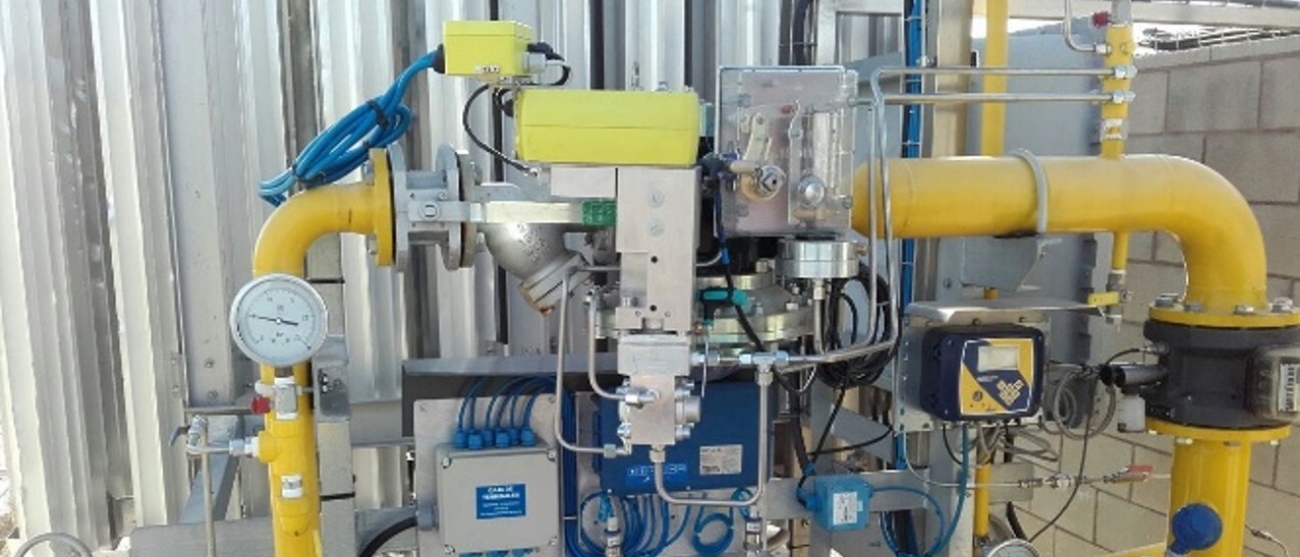
This is the GOLEM-ZERO dynamic regulation system, which combines advanced electronics with an electromechanical actuator. GOLEM-ZERO moves the adjustment screw of a standard pneumatic pressure regulator, transforming it into an intelligent regulator.

GOLEM technology is based on a mechanically coupled servomechanism that interacts directly with the pressure regulator pilots, supported by an advanced electronic system. Thanks to the intelligence built into the system, GOLEM-ZERO can operate in autonomous mode and dynamically adjust based on actual boundary conditions, thus reducing the need for manual intervention on site.The system is applicable to any regulator model and can be easily integrated into existing NTS offtakes, thanks to custom-designed adapters.

Power can be supplied via the electricity network, but also via a photovoltaic system. In addition to the safety controls implemented at the logic level, during the development phase — both in the laboratory and in the field — mechanical and electromechanical safety systems were introduced to prevent issues caused by possible jamming of the pilot adjustment screw and, more generally, with the implemented control logics.

The system can be operated manually or remotely via any SCADA software or through WebPressure (a suite developed by AUTOMA specifically for the sector). It operates in fully automatic mode, dynamically adjusting the regulator set-point according to predefined control logics. The GOLEM-ZERO system communicates locally with the GOLIAH5P (G5P), i.e. an AUTOMA RTU, or with any PLC/RTU via Modbus protocol on RS485 port.

Thanks to GOLEM-ZERO, biomethane injection management takes place in real time, remotely and automatically. The system optimises day-to-day operational activities while ensuring a long-term success perspective for the plant.

In the presence of a demand for gas from the network, the downtime during which it is not possible to inject biomethane due to fluctuations on the production side is normally around 10 – 12% of the annual hours. Thanks to GOLEM-ZERO, these interruptions decrease by 70 – 80%, allowing for the injection of up to 6 – 8% more biomethane over the course of the year.

Furthermore, unplanned but necessary field balancing interventions to ensure injection priority decrease by up to 35%, which translates into lower operating costs.

AUTOMA designs and produces innovative, Made in Italy hardware and software solutions for remote monitoring and control in the Oil, Gas and Water sectors.

We were born in 1987 in Italy, and today over 50,000 AUTOMA devices are installed in more than 40 countries around the world.

Do you want to ensure a priority and uninterrupted biomethane injection into the network, with maximised uptime?

Contact our team without obligation and we will tell you what we can do to optimise infrastructure operations and control.

With the valuable collaboration of Lluís Castaño, Product Manager at Kromschroeder, S.A. (Automa’s partner in Spain)

Biomethane represents a key resource for the energy transition, but its injection into distribution networks poses operational and technological challenges related to pressure and service continuity. In fact, before being injected, biomethane must meet strict quality standards regarding gas quality, measurement, treatment, pressure regulation, and odorization.

These challenges require innovative solutions. AUTOMA has therefore developed specific algorithms for its GOLEM system for dynamic gas pressure regulation in networks. The main application field of GOLEM was indeed the management of natural gas networks, but thanks to newly developed algorithms, now the system can also be applied to the biomethane sector with the aim of injecting biomethane into distribution networks while dynamically regulating the pressure of natural gas in the network.

Biomethane and distribution networks

The production of biomethane starts from waste produced by human activities, such as solid waste, sewage, livestock, and forestry residues. When biogas remains in the waste treatment plant, it is not advisable to release it into the atmosphere because it produces very harmful effects, such as the greenhouse effect.

This combustible gas can be treated in the plant itself through electricity generators to produce electricity, and if we have an electricity grid nearby, we can inject the electricity into the grid.

And what if there is no electricity grid nearby? What we can do with the excess gas is reach an agreement with gas distribution companies to inject biogas into their gas distribution networks.

This can only be done on the condition that such gas is treated to be interchangeable with the methane present in the network, thanks to a process called upgrading: biogas can be considered biomethane and thus injected into the gas distribution network.

A gas distribution network has a certain constant volume. At any point in the network, there can be consumption, while gas is injected at one or more points in the network to try to maintain a pressure defined by the set point of the pressure regulators at the injection points. In steady-state conditions, there is an equilibrium between the flows at the injection points and the flows at the consumption points. The result is a constant pressure.

The critical issues of biomethane networks

Most biomethane injection points are characterized by small diameter pipes and a not very high available gas volume dependent on production capacity, subject to daily and seasonal fluctuations. Since at low-capacity biomethane production points the flow is very limited, anomalous operations of traditional pneumatic pressure regulators can occur.

Essentially, the main identified critical issues are four:

  1. Reduction in production: a decrease in production can lower pressure, compromising the continuous injection of biomethane into the network.
  2. Service interruption: sometimes, the interruption of service is caused by failures in the upgrading system, which is unable to maintain sufficient pressure or provide consistent quality gas.
  3. Overproduction of biomethane: an increase in production beyond operational limits can compromise the safety of the network and/or the contractual terms between producer and operator.
  4. Overpressure in the network: a temporary and spontaneous increase in network pressure can cause the interruption of injection.

The normal operation of a pressure regulator consists of opening when it is necessary to reach a certain pressure point based on its set point. If this value is not reached, the regulator opens fully, consuming the available amount of biomethane in a very short time, if limited by the capacity of the biogas plant. As the available amount of biomethane is consumed, a rapid depressurization of the production system occurs. The immediate effect can be the suspension of biomethane injection.

The cause of all these problems is the way static pressure regulators operate. In this context, the ability to dynamically regulate the pressure upstream of the regulator becomes a strategic function to ensure continuity and quality of service.

The Automa solution: the GOLEM technology for dynamic management of biomethane injection

In this specific case we are illustrating, we have made an adaptation of GOLEM to the operational needs of a gas distribution company that requested a solution for the regulation of biomethane injection in a distribution network. GOLEM by AUTOMA allows for dynamic management of biomethane injection, improving service continuity and reducing operational risks.

Golem technology is based on a mechanical servomechanism that interacts directly with the pilot of the pressure regulators, supported by an advanced electronic system. Thanks to the intelligence incorporated in the system, Golem can operate in autonomous mode, reducing the need for manual interventions. The system is applicable to any controller model and can be easily integrated into existing networks thanks to custom-designed adapters.

The characteristics of the GOLEM system are represented by four types of pressure and flow modulation:

  • Pressure modulation is the ability to vary and maintain pressure, based on the set point.
  • Flow limitation is the ability to keep the flow below a certain maximum value, while always providing the maximum possible pressure value.
  • A weekly programming of pressure values for time slots is possible, for example, at night the pressure is lower than during the day.
  • It is possible to compensate the flow by applying pressure values to a portion of a given maximum flow.

When a target pressure is assigned to the system that is higher or lower than the initial pressure read by the system, an algorithm with a condition analysis time is initiated. When it is necessary to increase or decrease the pressure, a motor movement is initiated. The period during which the engine moves is strictly controlled to ensure the amount of movement actually required, observing and analysing the variations in pressure and flow rate. A necessary, positive or negative movement is then appliedto increase or decrease the pressure and achieve the set target for the system.

This gradual approach will eventually lead to reaching or even exceeding the target pressure. If the target pressure is exceeded in the subsequent analysis, a countermeasure is decided upon for a time equal to half of the previous time. This progressive correction of the control screw movement ends when the target is reached within a given tolerance. The same logic of the algorithm is applied to maintain a flow restriction below a maximum value while always trying to maintain the highest possible pressure.

The GOLEM system examines the flow rate and pressure. If the flow rate is sufficiently high, but still within the safety range, the system will decide to open the regulator and deliver that amount of gas. In this way, the flow rate we had will tend to decrease, as will the inlet pressure. When the GOLEM system, continuously analysing these parameters, verifies that the pressure is approaching a value very close to the network pressure, it will close the gas transport to avoid the risk of gas flow interruption and thus redirect the biomethane to the storage tank of the upgrading system (overpressure condition).

As soon as the flow rate becomes dangerously low and approaches the lower limit, the GOLEM system reduces the gas flow to recover both the flow rate and the pressure. At some point, a constant flow should be reached.

The results of the Automa solution

Thanks to the implementation of GOLEM for the regulation of biomethane injection into the distribution network managed by our client, the dynamic flow management has kept pressures within the operating range even in the event of sudden production fluctuations, improving the overall stability of the network.

 Important results have therefore been achieved:

  • Reduction of injection interruptions caused by pressure drops.
  • Optimised management of biomethane overproduction.
  • Greater resilience of the network in biomethane supply operations.

This paves the way for a safer, more efficient and sustainable management of the biomethane resource.

How was it possible to achieve these results? AUTOMA has been active since 1987 in the development of hardware and software solutions for the remote monitoring and control of gas transport and distribution networks, functional to their operational management.

Research and development of increasingly high-performance and innovative solutions is our daily commitment. To date, over 50,000 Automa devices are installed in more than 40 countries worldwide.

Do you want to manage the injection of biomethane in a more dynamic, flexible, and safe way?

Contact our team without obligation and we’ll tell you how we can optimise the control and management of your infrastructure.